укр | eng

Diagnostics

Dental Diagnostics allows you to:

* inform the patient about the condition of the oral cavity and give him recommendations for further actions;

* diagnose and, if necessary, conduct emergency treatment that allows you to stop the development of the disease at any stage;

* timely determine the cause of discomfort or pain in order to be able to determine the disease at the initial stages;

* individually choose the tactics of therapy and make a schedule of all planned procedures.
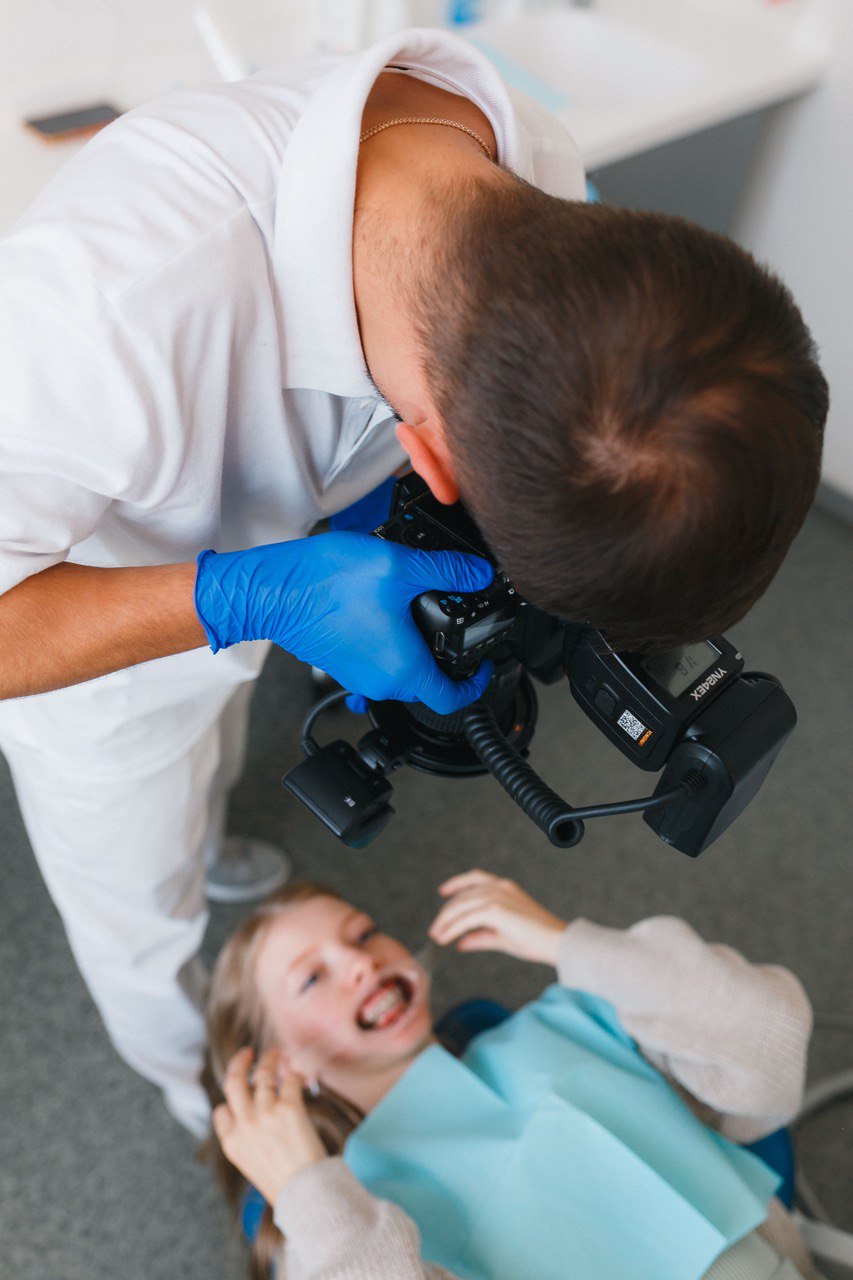
PHOTO PROTOCOL

PHOTO PROTOCOL
Bologan

PHOTO PROTOCOL

This is a series of oral photos that allows you to
  1. fix the condition of the oral cavity in the patient
  2. explain to the patient the need for further actions
  3. conduct an objective analysis and prescribe a treatment plan
  4. send accurate information to the dental laboratory
  5. monitor the dynamics and quality of treatment
  6. document your work
photo

These photos are stored in the patient's personal profile along with their medical data.

If the patient feels a slight excitement, medical sedation can be used, which will harmoniously complement local anesthesia. The patient will be psychologically relaxed with the help of sedation drugs and will be in a state of superficial drug-induced sleep.

The decision to use a particular type of anesthesia is determined individually, taking into account the volume of dental intervention, the level of anxiety and the general condition of the patient.

3D diagnostics

Ident uses 3D scanning to create digital models of teeth. What are its advantages?
  1. High precision digital pressure protection. 3D scanners can display the shape and size of teeth and tissues as accurately as possible. This allows dentists to create digital or physical models of teeth for further treatment.
  2. Efficiency. 3D scanners are capable of capturing large amounts of data quickly, making the scanning process real-time.
  3. Work with difficult areas. 3D scanners allow dentists to easily visualize even hard-to-reach areas of the oral cavity. This helps you identify problems and plan effective treatment.
  4. Reduce session time. With real-time imaging capabilities, dentists can quickly analyze data and make treatment decisions. This reduces the visit time and allows patients to get results faster.
  5. Monitor the dynamics and quality of treatment
  6. Document your work

3D scanning in dentistry has changed the approach to the diagnosis and treatment of dental problems, providing high accuracy, efficiency and convenience for patients.
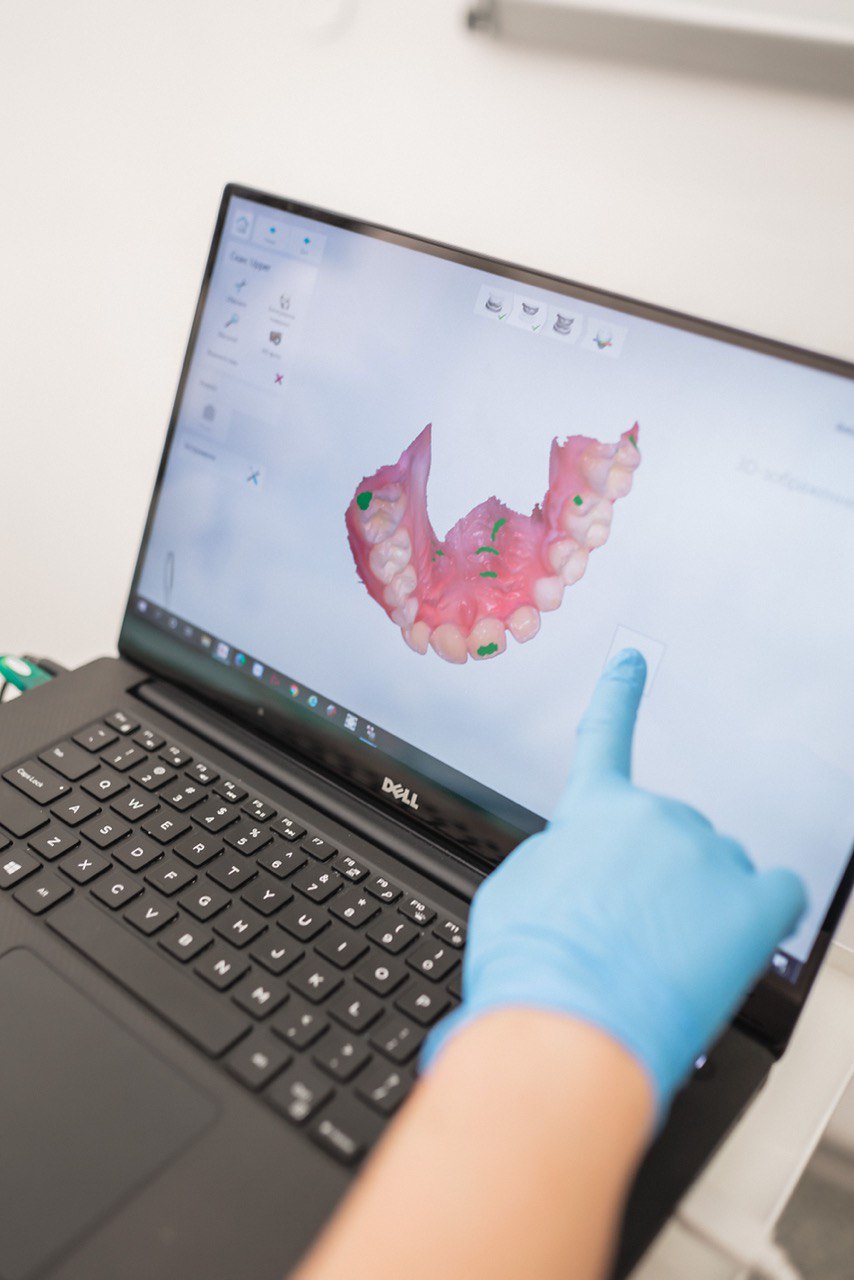
3D diagnostics
3D diagnostics

3D diagnostics

Sign up for a consultation

Enter your data for online recording